
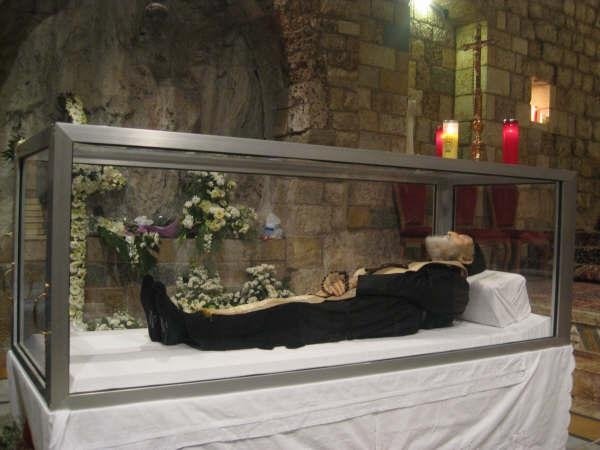
“The Continuation of Father Charbel’s Story and the Maronite Heritage”
Upon rising from his bed, Youssef Makhlouf would put on his traditional loose trousers, similar to those worn by the villagers, lace up his sturdy shepherd’s shoes, and don his woolen cap. He was known for his unfailing devotion to serving Mass, rarely missing a single service. After returning from church, he would lead his small flock to the pastures, eating along the way a modest breakfast—usually a loaf of bread with pieces of cheese or a few olives. His herd, consisting of a cow and her calf, a mule, several goats, and a few sheep, was typical of the livestock kept by the mountain poor.
Like other shepherds, Youssef knew well the scarce spots where grass grew and would guide his flock there. When one of the shepherds played his flute, carried in his broad belt, the soft, undulating sounds would echo throughout the Qadisha Valley—melodies of innocence and love—often accompanied by ancient folk songs, such as:
“One evening I came to see you after supper,
I found you asleep, your lamp extinguished,
I stretched my hand to pick some basil,
And the maiden cried: ‘Mother! Mother! A thief!’”
These were often national or heroic songs—imagined tales of valor sung without fear or hesitation. Others were hymns to the Virgin Mary, celebrating her miraculous intercessions. The faithful would improvise prayers to her, seeking deliverance and protection from life’s many hardships. Many of these supplications endure in Maronite liturgy to this day: prayers for victory over enemies, for protection from evil, for healing of the sick, for fruitful harvests, and for the repose of the dead—ending always with:
“Hail Mary, Mother of God, Mother of Jesus our Savior.”
For the mountain peasants, the Virgin Mary was the mighty and protective mother, leader of her people in times of peril. She was viewed as the commander of the Maronite nation, defending it against its enemies. Her presence was invoked in every great calamity, as in the tragic massacres of 1860, when twenty priests and monks awaited martyrdom before the altar of Our Lady of Deir el-Qamar, their eyes and hands lifted toward her image on the hill.
In every Christian village in Lebanon, a church—or at least an altar—was dedicated to the Virgin. In every household, the rosary was recited before a familiar icon of Mary, a practice that continues to this day.
Mary, however, was not only the powerful mother but also the embodiment of tenderness and grace. During the Marian celebrations of 1954, young men and women shouted with affection, “Our Lady, our beloved!” as her statue passed through their villages, singing the well-known invocation:
“O Mother of God, compassionate and kind,
Treasure of mercy and help divine,
You are our refuge and our trust;
Though far in body, your prayers are with us—
Protect us, guide us, and keep us.”
Youssef shared in this simple, devout life. The veneration of Mary was deeply rooted in him, one of the firmest foundations of the Maronite spirit. From early childhood, he was distinguished by his piety. To this day, a hollowed rock resembling a small cave is shown as the place where the young shepherd often withdrew to pray—it is still called “The Saint’s Grotto.”
The village youth called him “the saint,” sometimes mockingly, but he endured their teasing silently, preferring solitude to idle company. He also took part in the daily struggle of the peasant, working tirelessly from dawn to dusk in the same fields his father and grandfather had plowed before him. Yet as time passed, earthly life appeared increasingly empty and meaningless to him. His interest in worldly matters faded; he sought instead another inheritance—a higher calling.
He frequently visited the Monastery of Saint Anthony in Qozhaya, where his two hermit uncles profoundly influenced him. For a soul such as Youssef’s, it is difficult to determine the exact moment when the divine call is answered with a definitive “yes.” His vocation was not born of sudden conversion or inner conflict; it was the gradual flowering of an innocent faith nurtured since childhood. As he matured, so did his devotion, until it became the central fact of his existence—the seed sown by the divine sower in fertile soil.
By the year 1851, at twenty-three years of age, Youssef Makhlouf heeded the call. Without informing anyone, he left his family home in Bqaa Kafra to follow the path of holiness. His mother, deeply attached to him, foresaw with sorrow the moment of separation; his uncle Tanios shared her fear, lamenting the loss of his most faithful helper in the fields.
Little is known about his final days in the village or the manner of his departure. We can only imagine the pain and love that filled his heart as he gazed for the last time upon the mountains of his childhood, surrendering himself wholly to God’s will. His departure mirrored the renunciations of Christian history—the same self-emptying of Christ who “made Himself nothing” by taking human form.
Youssef abandoned everything to follow Christ. Though materially poor, his renunciation was immense in spiritual value, for the measure of sacrifice lies not in its material weight but in the love with which it is offered. Like Peter, James, and John who left their nets, Youssef left his flock and all that he possessed, dedicating himself entirely to Christ—the only one worthy of total surrender, the inexhaustible source of divine richness revealed through holy poverty.
تتمة سيرة الأب شربل وقصة الموارنة
فور نهوضه من سريره، كان يوسف مخلوف يرتدي سرواله التقليدي الفضفاض الذي كان شائعًا بين أبناء قريته، وينتعل حذاء الراعي الجلدي المتين، ويعتمر لبادته القروية. وقد عُرف بمواظبته على خدمة القداس اليومي، الذي نادرًا ما تغيب عنه. وبعد عودته من الكنيسة، كان يتولى قيادة قطيعه الصغير نحو المراعي، مكتفيًا في طريقه بقرص خبز بسيط يحتوي على قطع من الجبن أو بضع حبات من الزيتون، وهو فطوره المعتاد. وكان القطيع المؤلف من بقرة مع عجلها، ودابة، وعدد من العنزات والغنمات، يمثل صورة نموذجية لقطعان الفقراء في الجبال اللبنانية.
وكان يوسف، شأنه شأن سائر الرعاة، يعرف الأماكن القليلة التي ينبت فيها العشب، فيتوجه إليها. وعندما كان أحد الرعاة ينفخ في مزماره الموضوع في حزامه العريض، كانت أصداء أنغامه العذبة تتردد في أرجاء وادي قاديشا، فتصوّر للحاضرين مشاهد من البراءة والحب، وترافقها الأغاني الشعبية القديمة مثل:
«يوم رحت أنا لعندكم بعد العشا بنتفي،
لقيتكن نايمين وسراجكن مطفي،
مدّيت إيدي عالحبق لأقطف أنا قطفي،
وصاحت بنت اللِّكم: يمّا يمّا يمّا حراميا».
وتنوعت الأناشيد بين أغنيات وطنية تحاكي بطولات متخيلة ضد أعداء وهميين، وأناشيد دينية تتغنّى بالسيدة العذراء وبمعجزاتها الكثيرة. وكان الأهالي يرتجلون التضرعات إليها، مستمدين منها القوة والرجاء في مواجهة صعوبات حياتهم اليومية. ومن تلك التضرعات ما لا يزال حاضرًا في الطقوس حتى يومنا هذا: طلب النصر على الأعداء، والشفاء من الأمراض، والوقاية من الشرور والخطايا، وتقديس ثمار الأرض، وتعزية الأموات بالإيمان، مردّدين:
«السلام عليك يا مريم يا والدة الله، أم يسوع مخلصنا».
لقد شكّلت السيدة العذراء لدى هؤلاء الفلاحين رمزًا للأم القديرة، وقائدة الأمة المارونية في صراعها التاريخي ضد الأخطار. فهي المدافعة عن شعبها، تحميه وتغيثه، وتبقى حاضرة أمام الصليب كما كانت أمًّا لذاك الذي تخلّى عنه الجميع. وقد تجلّى هذا الإيمان العميق خلال مجازر عام 1860، حين رفع عشرون كاهنًا وراهبًا أعينهم وأيديهم نحو تمثال السيدة العذراء في دير القمر، منتظرين استشهادهم بإيمان راسخ.
وفي كل قرية مسيحية في لبنان، شُيّدت كنيسة أو على الأقل مذبح مكرّس باسم السيدة العذراء. كما جرت العادة أن تُتلى المسبحة يوميًا في كل بيت أمام أيقونة العذراء، في ممارسة ما زالت متبعة حتى اليوم.
ولم تكن العذراء بالنسبة إلى الشعب الماروني فقط مثال القوة، بل كانت أيضًا تجسيدًا للعذوبة والرحمة والجمال الروحي. وقد شهد عام 1954 مظاهرات دينية عبّر خلالها الشباب والشابات عن محبتهم العفوية للعذراء هاتفين:
«يا أم الله يا حنونة، يا كنز الرحمة والمعونة،
أنت ملجانا وعليك رجانا، وإن كان جسمك بعيدًا منا،
صلواتك هي تصحبنا، وتكون معنا وتحفظنا».
نشأ يوسف في كنف هذه الروح الإيمانية، فغُرست فيه منذ طفولته عبادة مريم العذراء التي تُعد من أبرز ركائز الإيمان الماروني. وقد تميز بتقواه الواضحة واعتزاله المتكرر للصلاة في صخرة مجوّفة تُعرف حتى اليوم باسم «مغارة القديس»، تيمنًا به. وكان أقرانه يلقبونه بـ«القديس» أحيانًا على سبيل السخرية، غير أنه كان يتجنب مخالطتهم، مفضّلًا الوحدة والتأمل.
شارك يوسف في أعمال الأرض، مجتهدًا في حراثتها كما فعل والده وجده من قبله، في كفاح دائم ضد قسوة الطبيعة وشحّ خيراتها. غير أن الحياة الدنيوية بدت له مع مرور الوقت عبثية محدودة الأفق، فبدأ اهتمامه بالعالم يقل تدريجيًا، واتجه قلبه نحو الحياة الروحية.
وكان كثير التردد إلى دير مار أنطونيوس في قزحيا، حيث أثّر خالاه الناسكان تأثيرًا بالغًا في توجيهه الروحي. ولم يكن انتقاله إلى الحياة الرهبانية نتيجة حادثة مفصلية أو تجربة درامية، بل ثمرة نضوج تدريجي لدعوة إلهية تبلورت في أعماقه منذ الطفولة، فنمت معه حتى غدت محور وجوده كله.
وفي عام 1851، وكان في الثالثة والعشرين من عمره، قرّر يوسف أنطون مخلوف تلبية نداء الله، تاركًا عائلته وموطنه بقاعكفرا، منطلقًا في مسيرته نحو القداسة. لم يُفصح لأحد عن قراره، غير أن جميع من حوله كانوا يشعرون بأن رحيله بات وشيكًا، ولا سيما والدته التي كانت تخشى لحظة الفراق، وعمه طانيوس الذي فقد بذهابه الساعد الأيمن الذي كان يعاونه في فلاحة الأرض.
ولا تُعرف على وجه الدقة تفاصيل الأيام الأخيرة التي قضاها يوسف مع أسرته قبل مغادرته، غير أن الراجح أنه ودّع قريته وقلبه مفعم بالمحبة والألم، مستجيبًا لنداء إلهي لا رجعة عنه. وهكذا بدأ رحلة التجرد الكاملة من متاع الدنيا، مقتديًا بالمسيح الذي «أخلى ذاته» متخذًا صورة إنسان.
لقد تخلّى يوسف عن كل ما يملك ليتبع المسيح. ورغم أن ما تركه من خيرات دنيوية كان زهيدًا، فإن قيمة التضحية لا تُقاس بالمقدار، بل بالمحبة التي تُقدَّم بها، وبالجهة التي تُقدَّم إليها. وهكذا، كما ترك بطرس ويعقوب ويوحنا شباكهم ليتبعوا المعلّم، ترك يوسف قطيعه الصغير وكل ما يملكه، ليهب نفسه بالكامل لله، مقتنعًا بأن المسيح وحده يستحق هذا الإخلاء الكامل، وأن في فقر المسيح الغنى الحقيقي الذي لا ينضب.
« Suite de la vie du Père Charbel et l’histoire des Maronites »
Dès son réveil, Youssef Makhlouf revêtait son pantalon ample, typique des montagnards de son village, chaussait ses lourdes bottes de berger et coiffait sa toque de feutre. Il se distinguait par son assiduité au service de la messe, à laquelle il n’était presque jamais absent. Après la liturgie, il conduisait son petit troupeau vers les pâturages, se contentant en chemin d’un simple repas composé d’un morceau de pain, de fromage ou de quelques olives. Son bétail, formé d’une vache et de son veau, d’une bête de somme, de chèvres et de brebis, reflétait fidèlement la condition modeste des paysans du Mont-Liban.
Comme les autres bergers, Youssef connaissait les rares coins où l’herbe poussait et s’y rendait. Lorsqu’un berger jouait de la flûte suspendue à sa large ceinture, les échos mélodieux se propageaient dans toute la vallée de Qadisha — des sons empreints d’innocence et de douceur — accompagnés de chants populaires anciens tels que :
« Le soir je suis venu chez vous après le souper,
Je vous ai trouvés endormis, la lampe éteinte,
J’ai tendu la main pour cueillir du basilic,
Et la jeune fille a crié : Maman ! Maman ! Un voleur ! »
Ces chants alternaient entre récits héroïques imaginaires et hymnes dédiés à la Vierge Marie, célébrant ses miracles et sa protection. Les fidèles improvisaient des prières pour implorer sa miséricorde et sa défense contre les dangers de la vie. Plusieurs de ces invocations subsistent encore dans la liturgie maronite : demandes de victoire sur l’ennemi, de guérison, de fécondité des terres et de paix pour les défunts, conclues par la prière :
« Je vous salue, Marie, Mère de Dieu, Mère de Jésus notre Sauveur. »
Pour ces montagnards, la Vierge représentait la mère puissante et protectrice, la chef spirituelle de la nation maronite. Dans les grandes épreuves, elle était le refuge et la défense. Ainsi, lors des massacres de 1860, vingt prêtres et moines, sur le point d’être exécutés, levèrent leurs yeux et leurs mains vers la statue de Notre-Dame de Deir el-Qamar, implorant son intercession.
Dans chaque village chrétien du Liban, une église ou au moins un autel fut érigé en son honneur. Dans chaque foyer, la récitation du rosaire devant son icône demeurait une pratique quotidienne.
Mais la Vierge n’était pas seulement la mère toute-puissante : elle incarnait aussi la tendresse et la grâce. Lors des processions mariales de 1954, les jeunes s’écrièrent avec ferveur : « Notre-Dame, notre bien-aimée ! », chantant l’antienne :
« Ô Mère de Dieu, pleine de bonté,
Trésor de miséricorde et d’aide assurée,
Tu es notre refuge et notre espérance.
Bien que ton corps soit loin de nous,
Tes prières nous accompagnent et nous protègent. »
Youssef partageait cette vie simple et pieuse. Le culte marial s’enracina profondément en lui, constituant l’un des piliers de la spiritualité maronite. Dès son enfance, il se distinguait par sa dévotion ; la grotte où il priait longuement, connue aujourd’hui sous le nom de « Grotte du Saint », en témoigne encore.
Surnommé « le saint » par les jeunes du village — parfois par moquerie —, il préférait la solitude au divertissement. Travailleur infatigable, il labourait la terre avec ardeur, suivant les traces de son père et de son grand-père. Mais, avec le temps, la vie terrestre lui parut vaine et limitée. Il perdit tout intérêt pour le monde et se mit à aspirer à un autre héritage, celui du ciel.
Ses visites au monastère de Saint-Antoine de Qozhaya, où vivaient ses deux oncles ermites, eurent une influence décisive sur son orientation spirituelle. Sa vocation ne fut pas le fruit d’une conversion soudaine, mais le mûrissement progressif d’une foi pure. À mesure qu’il grandissait, sa piété se renforçait, jusqu’à devenir l’essence même de sa vie.
En 1851, à l’âge de vingt-trois ans, Youssef Makhlouf répondit à l’appel divin. Sans prévenir personne, il quitta son village natal de Bqaa Kafra pour entreprendre la voie de la sainteté. Sa mère, consciente du départ imminent, redoutait cette séparation, et son oncle Tanios craignait de perdre son précieux aide aux champs.
On ignore les détails précis de ses derniers jours en famille, mais il est certain qu’il quitta les siens avec douleur et foi, tournant pour la dernière fois son regard vers les montagnes qu’il aimait tant. Ce départ s’inscrivit dans la grande tradition chrétienne du renoncement, à l’image du Christ qui « s’anéantit lui-même » en prenant forme humaine.
Youssef renonça à tout pour suivre le Christ. Bien que matériellement pauvre, son offrande spirituelle fut immense, car la valeur du sacrifice ne réside pas dans ce qu’on abandonne, mais dans l’amour avec lequel on le fait. Comme Pierre, Jacques et Jean abandonnant leurs filets, Youssef quitta son troupeau et tout ce qu’il possédait pour se donner entièrement au Christ — l’unique digne d’un tel dépouillement, et la source inépuisable de la richesse divine révélée par la pauvreté sacrée.


