
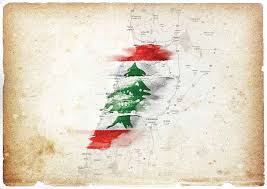
Freedom – from Charter for a New National Pact, Antoine Najm
Since freedom has constituted a fundamental concern for Lebanon from its very inception—and given the organized attacks it endures as well as the manipulation of nations through shifting alliances formed solely on the basis of interests—there arises a need for a scientific approach that highlights the role of freedom in confronting ideologies hostile to both humanity and democracy in the evolution of states. Freedom thus remains a Lebanese preoccupation, as well as a universal human concern.
The Lebanese concern with freedom stems from three main causes:
The regional dangers surrounding Lebanon, which ultimately result in political practices that contradict the spirit and the texts of the Universal Declaration of Human Rights. Resistance to totalitarian currents weakens as these currents grow stronger, and vice versa. These ideologies appeared in certain university circles prior to the Lebanese war as a superficial trend that many students adopted without forming deep conviction, which nearly weakened resistance and allowed these ideas to seep into society.
The organized campaign against freedom in Lebanon, which sought to abolish or distort its features. Freedom itself was exploited as a gateway for legitimizing totalitarian, racist, and theocratic ideologies. It also allowed the rise of a press funded by parties opposed to Lebanese national goals and freedom. Furthermore, this campaign encouraged “educational standardization” by restricting cultural diversity and undermining foreign languages, which serve as Lebanon’s window to civilization and international interaction. Once citizens are confined within narrow cultural frameworks, they are cut off from sources of thought, rendered weak and vulnerable, and made easier to dominate. Strategists succeeded in exploiting democracy to reinforce control over Christians and isolate them from their intellectual and spiritual ties with the West, thus undermining their historic role as defenders of liberty.
Global coordination based on material interests, whereby material benefit has become the primary, if not exclusive, driver of international politics and relations. Political alliances are formed on the basis of temporary interests, changing as those interests change. Lebanon has suffered greatly from this reality, particularly Christians, as Western powers often turned a blind eye to authoritarian campaigns—and even to attempts at erasing Christian presence—in order to safeguard oil and economic interests.
Faced with these reasons, Lebanese anxieties become more acute, particularly among Christians, concerning the future of freedom.
The demands of the Lebanese people for freedom in the future can be summarized in six key points:
A. Lebanon must continue to respect individual initiative and private effort across all domains, while ensuring complementarity between the public and private sectors as the foundation for national development. Individual creativity and innovation constitute the highest expression of freedom; however, they require regulation to prevent them from descending into chaos that could ultimately endanger freedom itself.
B. Lebanon must remain steadfast in its defense of freedom of thought and, by necessity, freedom of expression. The State may restrict freedom of expression only within the framework of laws consistent with the Universal Declaration of Human Rights.
C. Lebanon must encourage conscious and responsible social commitment, recognizing that coerced commitment is devoid of value and constitutes a violation of human dignity and liberty.
D. Lebanon must design a scientific and practical plan to eradicate all factors that foster the success or spread of totalitarian ideologies. It must overcome past policies of stagnation and insularity. Lebanon is called to engage actively in the struggle between freedom and totalitarianism—nationally, regionally, and globally. Neutrality toward evil is a dereliction of duty, while cooperation for human good knows no boundaries other than respect for the freedom of others. Lebanon should thus participate as an active element in the global democratic system, defending freedom from within it.
E. Lebanon must establish a strong government composed of individuals committed to freedom. This government must, within the framework of the law, prohibit any advocacy contrary to the Universal Declaration of Human Rights. It must also regulate the media so that it fulfills its authentic role rather than serving as a tool of dependency, and it must reinforce the spiritual and cultural bonds of Lebanon’s diverse communities with their intellectual and human roots.
F. Lebanon must proclaim friendship with all nations, adopt political and military neutrality, and use this neutrality to promote pluralism and to help restore human values as a foundation of international relations. In a world increasingly governed by the material interests of great powers, only opposite practices that provide living examples can halt this trend.
الحريّة – من كتاب شرعة من أجل ميثاق وطني جديد، أنطوان نجم
بما أنّ الحريّة شكّلت هاجساً للبنان منذ نشأته، وبالنظر إلى ما تتعرض له من هجمات منظّمة وما تواجهه من محاولات الدول الكبرى للتلاعب بمصائر الشعوب عبر تحالفات ظرفية تتبدّل وفقاً لمصالحها، تبرز الحاجة إلى مقاربة علمية تُظهر دور الحريّة في التصدّي لانتشار الإيديولوجيات المناوئة للإنسان وللديمقراطية في مسار الدول. وتبقى الحريّة هاجساً لبنانياً خاصاً، فضلاً عن كونها هاجساً إنسانياً عاماً
تعود أسباب هذا الهاجس اللبناني إلى ثلاثة عوامل رئيسية
الأخطار الإقليمية المحيطة بلبنان، والتي تصبّ جميعها في ممارسات سياسية تتعارض مع روح الإعلان العالمي لحقوق الإنسان ومع نصوصه. وتضعف مقاومة التيارات التوتاليتارية بقدر ما تزداد قوتها، والعكس صحيح. وقد ظهرت هذه التيارات في بعض الأوساط الجامعية قبيل الحرب اللبنانية على شكل تيار سطحي متفشٍّ، انجرف الطلاب في تبنّيه دون أن يشكّل قناعة حقيقية لدى الأكثرية، الأمر الذي كاد يحدّ من فعالية المقاومة ويجعلها هشّة، بل ويتسرّب تدريجياً إلى النفوس عبر المظاهر الخارجية
الهجمة المنظّمة على الحريّة في لبنان، والتي هدفت إلى إزالتها أو تشويه معالمها. فقد استُغِلّت الحريّة نفسها منفذاً لتشريع عمل الإيديولوجيات الديكتاتورية والعنصرية والثيوقراطية، كما نُميت صحافة ممولة من جهات خارجية متعارضة مع الأهداف الوطنية والحرية اللبنانية. وشجّعت هذه الهجمة مبدأ “القولبة التربوية”، من خلال السعي إلى منع التنوّع الثقافي في لبنان وإضعاف اللغات الأجنبية التي تمثّل نافذة البلاد على الحضارة والتفاعل الإنساني. فحين يُحاصر المواطن ضمن أطر ثقافية ضيقة، تُقطع عنه منابع الفكر ويُصبح ضعيفاً وهشّاً، مما يسهّل إخضاعه والتحكم به. وقد نجح المخطّطون في استخدام الممارسة الديمقراطية لتبرير السيطرة على المسيحيين ومحاولة عزلهم عن روافدهم الفكرية والروحية والحضارية، بما يؤدي إلى إبطال دورهم التاريخي في الريادة والدفاع عن مبادئ التحرر والحرية
التنسيق الدولي القائم على المصالح المادية، حيث بات معيار المصلحة المادية يكاد يكون المحرك الوحيد للسياسة والعلاقات الدولية. وباتت التحالفات السياسية آنية ومصلحية، تتغير بتغير المصالح الاقتصادية أو البترولية. وقد عانى لبنان، ولا سيما المسيحيون فيه، من هذا الواقع، إذ غضّت بعض الدول الغربية الطرف عن الهجمات التسلطية وحتى عن محاولات طمس الوجود المسيحي، خدمةً لمصالحها الاقتصادية
أمام هذه الأسباب مجتمعة، يشتدّ القلق اللبناني، وتتضاعف مشروعية هواجس المسيحيين في لبنان حيال مستقبل الحريّة
المطالب اللبنانية على صعيد الحريّة في الغد يمكن تلخيصها في ستة أمور أساسية
أ. أن يواصل لبنان احترام المبادرة الفردية والجهد الخاص في جميع الميادين، مع السعي إلى التكامل بين القطاعين العام والخاص باعتبارهما ركيزة أساسية للتنمية الوطنية. إنّ العطاء الفردي في الإبداع والخلق يشكّل التعبير الأسمى عن التمتّع بالحرية، غير أنّ هذا العطاء يحتاج إلى تنظيم يحول دون تحوّله إلى فوضى تهدد الحريّة ذاتها
ب. أن يتمسّك لبنان بحرية الفكر ويصون حرية التعبير باعتبارها لازمة حتمية لها. ولا يجوز للدولة تقييد حرية التعبير إلا في حدود القانون المتوافق مع الإعلان العالمي لحقوق الإنسان
ج. أن يشجّع لبنان الالتزام المجتمعي الواعي والمسؤول، إذ إنّ أي التزام يُفرض بالقسرية يفقد قيمته ويشكّل انتهاكاً لحرية المواطن وكرامته الإنسانية
د. أن يضع لبنان خطة علمية وعملية لاستئصال الأسباب التي تساعد على انتشار التيارات التوتاليتارية أو نجاحها، وأن يتجاوز سياسة الجمود والانغلاق التي كبّلته في مراحل سابقة. فلبنان معنيّ بالدخول بقوة وفاعلية في الصراع بين الحرية والتوتاليتارية، على المستويات الوطنية والإقليمية والدولية، معتبراً أن الحياد إزاء الشرّ هو تقصير في الواجب، وأن التعاون على الخير الإنساني لا يعرف حدوداً سوى احترام حرية الغير. ومن هذا المنطلق، يجب أن يكون لبنان فاعلاً داخل المنظومة الديمقراطية العالمية، ومشاركاً في نضالها دفاعاً عن الحريّة
هـ. أن يقوم في لبنان حكم قوي مؤمن بالحرية، يعمل في إطار القانون على منع أي دعوة تناقض مبادئ الإعلان العالمي لحقوق الإنسان. كما يضمن هذا الحكم حرية الإعلام في أداء دوره الأصيل بعيداً عن العمالة والتبعية، ويعزّز الروابط الروحية والثقافية لمختلف المكوّنات اللبنانية مع منابعها الفكرية والإنسانية
و. أن يعلن لبنان صداقته لجميع الشعوب، ويقف على الحياد السياسي والعسكري، موظفاً هذا الحياد في ترسيخ مبدأ التعددية وفي المساهمة بإعادة القيم الإنسانية إلى صلب العلاقات الدولية. ففي ظل انزلاق العالم نحو منطق المصالح المادية الضيقة الذي تفرضه الدول العظمى، لا سبيل إلى التصحيح إلا من خلال ممارسات مناقضة تقدّم أمثلة حيّة وصالحة
La liberté – extrait de Charte pour un nouveau pacte national, Antoine Najm
Depuis toujours, la liberté constitue une préoccupation essentielle du Liban. Face aux attaques organisées dont elle est l’objet et aux manipulations internationales reposant sur des alliances éphémères motivées par les seuls intérêts, il apparaît nécessaire d’adopter une approche scientifique qui mette en évidence le rôle de la liberté dans la résistance aux idéologies hostiles à l’homme et à la démocratie. Ainsi, la liberté demeure une préoccupation spécifiquement libanaise, tout en étant un enjeu universel.
Les causes de cette préoccupation libanaise se résument en trois points principaux :
Les dangers régionaux environnants, qui aboutissent à des pratiques politiques contraires à l’esprit et aux textes de la Déclaration universelle des droits de l’homme. La résistance aux courants totalitaires s’affaiblit à mesure que ceux-ci s’intensifient, et inversement. Ces idéologies sont apparues, avant la guerre du Liban, dans certains milieux universitaires comme une mode superficielle adoptée par de nombreux étudiants sans réelle conviction, ce qui menaçait d’affaiblir la résistance et d’ancrer progressivement ces idées dans la société.
L’offensive organisée contre la liberté au Liban, visant à la supprimer ou à en dénaturer les caractéristiques. La liberté a été instrumentalisée pour légitimer des idéologies totalitaires, racistes et théocratiques, ainsi que pour favoriser une presse financée par des intérêts étrangers contraires aux objectifs nationaux. Cette offensive a également encouragé « l’uniformisation éducative », limitant la diversité culturelle et affaiblissant les langues étrangères qui constituent pourtant la fenêtre du Liban sur la civilisation et l’interaction internationale. Une fois enfermé dans un cadre culturel étroit, le citoyen se trouve privé des sources de pensée, affaibli et rendu plus vulnérable, donc plus facile à dominer. Les stratèges ont exploité la démocratie afin de renforcer le contrôle sur les chrétiens et de les couper de leurs racines intellectuelles et spirituelles avec l’Occident, ce qui visait à neutraliser leur rôle historique dans la défense de la liberté.
La coordination internationale fondée sur les intérêts matériels, devenue le moteur principal, voire exclusif, des relations et politiques internationales. Les alliances se forment et se défont au gré des intérêts économiques et pétroliers. Le Liban, et en particulier ses communautés chrétiennes, a souffert de cette logique, car certaines puissances occidentales ont fermé les yeux sur des campagnes autoritaires, voire sur des tentatives d’effacement de la présence chrétienne, afin de préserver leurs intérêts économiques.
Face à ces réalités, l’inquiétude des Libanais s’accroît, surtout parmi les chrétiens, quant à l’avenir de la liberté.
Les exigences du Liban pour garantir la liberté à l’avenir peuvent se résumer en six points essentiels :
A. Le Liban doit continuer à respecter l’initiative individuelle et l’effort privé dans tous les domaines, tout en assurant la complémentarité entre les secteurs public et privé, piliers du développement national. La créativité et l’innovation individuelles représentent l’expression suprême de la liberté, mais nécessitent une régulation afin d’éviter leur dérive vers le désordre qui mettrait en danger la liberté elle-même.
B. Le Liban doit rester ferme dans la défense de la liberté de pensée et, par conséquent, de la liberté d’expression. L’État ne peut restreindre cette dernière que dans le cadre de lois conformes à la Déclaration universelle des droits de l’homme.
C. Le Liban doit encourager un engagement social conscient et responsable, car tout engagement imposé par la contrainte perd sa valeur et constitue une atteinte à la dignité et à la liberté de la personne.
D. Le Liban doit mettre en place un plan scientifique et pratique pour éradiquer les facteurs favorisant la réussite ou la diffusion des idéologies totalitaires. Il doit dépasser les politiques passées de stagnation et d’isolement. Le Liban est appelé à participer activement au combat entre liberté et totalitarisme, aux niveaux national, régional et international. La neutralité face au mal est une défaillance morale, tandis que la coopération pour le bien de l’humanité ne connaît d’autre limite que le respect de la liberté d’autrui. Le Liban doit ainsi devenir un acteur à part entière du système démocratique mondial, y défendant la liberté de l’intérieur.
E. Le Liban doit instaurer un gouvernement fort, composé de personnes convaincues de l’importance de la liberté. Ce gouvernement doit, dans le cadre de la loi, interdire toute propagande contraire à la Déclaration universelle des droits de l’homme. Il doit aussi réguler les médias afin qu’ils remplissent leur rôle authentique et non des fonctions de dépendance, tout en renforçant les liens spirituels et culturels des différentes communautés libanaises avec leurs racines intellectuelles et humaines.
F. Enfin, le Liban doit proclamer son amitié à l’égard de tous les peuples, adopter la neutralité politique et militaire, et utiliser cette neutralité pour promouvoir le pluralisme et contribuer à rétablir les valeurs humaines comme fondement des relations internationales. Dans un monde dominé par la logique des intérêts matériels des grandes puissances, seules des pratiques contraires offrant des exemples vivants peuvent freiner cette dérive.


