
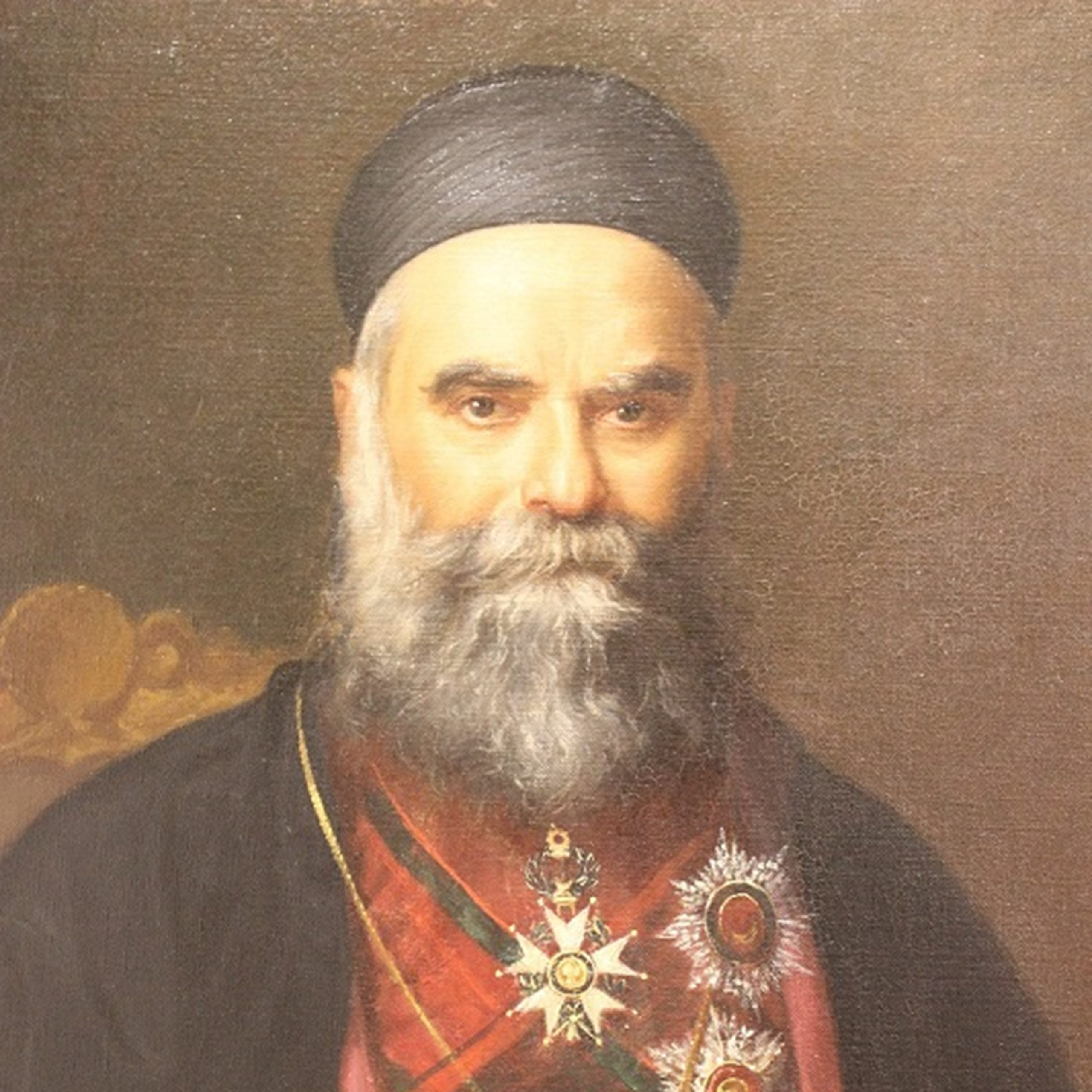
تاريخ مجد لبنان ودور البطريرك الحويك
استوقفتنا تصريحات السيدة بشرى الخليل حول البطريرك الحويك وما أُطلق عليه “مجد لبنان”، الأمر الذي يستدعي إعادة عرض التاريخ الموثق لتوضيح الدور الشامل للبطريرك وجميع الطوائف اللبنانية في بناء هذا المجد
عقب انتهاء الحرب العالمية الأولى، سعى اللبنانيون إلى تحديد هويتهم الوطنية واستقلالهم، معتبرين أن الفرصة قد أُتيحت لأول مرة لإنشاء دولة قائمة بذاتها. ومع انعقاد مؤتمر الصلح في فرنسا، أُرسل وفد لبناني برئاسة السيد داود عمون، رئيس مجلس الإدارة آنذاك، للمطالبة باستقلال لبنان والتعويض عن الأضرار التي لحقت به خلال الحكم العثماني، غير أن الوفد لم يحقق النتائج المرجوة
تكتلت حينها كافة الفعاليات اللبنانية، مسيحية وإسلامية، وتوجهت إلى البطريرك الياس الحويك في بكركي، مطالبة إياه بتحمل مسؤولياته الوطنية
“أنت بطريرك لبنان كافة، لا بطريرك الموارنة فقط، وللبطريركية تاريخ مجد لبنان. لقد أنقذتم اللبنانيين خلال المجاعة الكبرى، مسلمين ومسيحيين، دون تمييز. نرجو منك، بما لك من احترام ومكانة لدى فرنسا، أن تطالبوا باستقلال لبنان أولاً.”
استجاب البطريرك الحويك للطلب، وشكّل وفداً ممثلاً لجميع الطوائف اللبنانية، رغم تقدمه في السن (76 عاماً) وصعوبة السفر آنذاك. خلال رحلته، مرّ على روما حيث التقى البابا ونال بركته ورسالة دعم لمطالبة لبنان بالاستقلال
وفي فرنسا، التقى البطريرك رئيس الوزراء كليمنصو، الذي كان ينسق مع الأمير فيصل حول ضم لبنان وفلسطين إلى سوريا الكبرى. نجح البطريرك في الحصول على وعد بمنح لبنان استقلالاً ذاتياً، ولو تحت الانتداب الفرنسي المؤقت، للاستفادة من الخبرة الفرنسية في إدارة شؤون الدولة
وعند عودته إلى لبنان، علم البطريرك بانعقاد مؤتمر عام في دمشق يطالب بضم لبنان وفلسطين إلى سوريا الكبرى، فشكل وفداً جديداً برئاسة المطران عبدالله الخوري، للتأكيد على تنفيذ الوعود المقطوعة بشأن استقلال لبنان.
ونتيجة لهذه الجهود، صدر قرار الانتداب الفرنسي على لبنان، مع إعادة المناطق الأربع المسلوخة إليه: بيروت، الجنوب، البقاع، والشمال، وهي مناطق تتميز بتنوع سكانها وتاريخها المشترك مع جبل لبنان في التعاون والاحترام المتبادل
وهكذا تم تأسيس لبنان الكبير، دولة لجميع أبنائه، ومجد لجميع طوائفه، مسيحية وإسلامية على حد سواء
The History of Lebanon’s Glory and the Role of Patriarch Elias al-Howayek
The recent statements made by Ms. Bushra Khalil concerning Patriarch Elias al-Howayek and the expression “the glory of Lebanon” necessitate a restatement of the documented history, in order to clarify the comprehensive role of the Patriarch and of all Lebanese communities in shaping this glory.
Following the end of the First World War, the Lebanese people sought to define their national identity and independence, regarding that moment as the first true opportunity to establish a sovereign state. Upon the convening of the Peace Conference in France, a Lebanese delegation, led by Mr. Daoud Ammoun, then President of the Administrative Council, was sent to demand Lebanon’s independence and compensation for the damages suffered under Ottoman rule. However, this mission yielded no tangible results.
At that juncture, all Lebanese leaders and representatives, both Christian and Muslim, gathered and turned to Patriarch Elias al-Howayek in Bkerké, urging him to assume his national responsibility:
“You are the Patriarch of all Lebanon, not solely of the Maronites. The Patriarchate embodies the history of Lebanon’s glory. During the Great Famine, you saved Lebanese people — Christians and Muslims alike — without discrimination. We ask you, by virtue of your historical respect and influence with France, to demand Lebanon’s independence first.”
The Patriarch promptly responded to this call, forming a delegation inclusive of all Lebanese confessions, despite his advanced age (76 years) and the arduous travel conditions of that era. On his way, he visited Rome, met with the Pope, received his blessing, and obtained a letter of support for Lebanon’s independence addressed to the Peace Conference.
Upon arriving in France, Patriarch al-Howayek met with Prime Minister Georges Clemenceau, who at the time was negotiating with Emir Faisal regarding the incorporation of Lebanon and Palestine into a Greater Syria. Nevertheless, the Patriarch succeeded in securing a pledge from Clemenceau that Lebanon would be granted a form of autonomous independence, even under a temporary French mandate, in order to benefit from French administrative expertise.
Upon his return to Lebanon, the Patriarch learned of a General Congress in Damascus demanding the annexation of Lebanon and Palestine to Greater Syria. Perceiving a concealed political maneuver, he promptly formed a second delegation, headed by Bishop Abdullah al-Khoury and composed of representatives of the various Lebanese communities, and dispatched it to France to insist upon the fulfillment of the promised commitments.
As a result, the decision was issued to place Lebanon under the French Mandate, while restoring to it the four detached regions — Beirut, the South, the Bekaa, and the North — territories rich in agricultural plains, diverse populations, and a longstanding tradition of cooperation and mutual respect with Mount Lebanon.
Thus, the foundations of Greater Lebanon were laid: a state for all its citizens, and a glory shared by all its communities, Christian and Muslim alike.
L’Histoire de la Gloire du Liban et le Rôle du Patriarche Élias al-Howayek
Les récentes déclarations de Mme Bushra Khalil concernant le patriarche Élias al-Howayek et l’expression « la gloire du Liban » imposent une réaffirmation de l’histoire documentée, afin d’éclairer le rôle global du patriarche et de toutes les communautés libanaises dans l’édification de cette gloire.
À la fin de la Première Guerre mondiale, les Libanais ont cherché à définir leur identité nationale et leur indépendance, considérant que le moment offrait, pour la première fois, l’opportunité de fonder un État souverain. Lors de la tenue de la Conférence de la Paix à Paris, une délégation libanaise, présidée par M. Daoud Ammoun, alors président du Conseil administratif, fut envoyée pour réclamer l’indépendance du Liban ainsi que des compensations pour les dommages subis sous la domination ottomane. Cette démarche demeura cependant sans résultats concrets.
À ce stade, toutes les forces vives libanaises, chrétiennes et musulmanes, se regroupèrent et s’adressèrent au patriarche Élias al-Howayek à Bkerké, l’exhortant à assumer ses responsabilités nationales :
« Vous êtes le patriarche de tout le Liban, et non seulement des Maronites. Le patriarcat incarne l’histoire de la gloire du Liban. Durant la Grande Famine, vous avez sauvé les Libanais — chrétiens et musulmans sans distinction. Nous vous demandons, fort de votre respect et de votre influence historique auprès de la France, de revendiquer l’indépendance du Liban en priorité. »
Le patriarche répondit immédiatement à cet appel, formant une délégation représentative de toutes les confessions libanaises, malgré son âge avancé (76 ans) et la difficulté des voyages à cette époque. En chemin, il fit escale à Rome, rencontra le pape, reçut sa bénédiction et obtint une lettre de soutien à l’indépendance du Liban adressée à la Conférence de la Paix.
Arrivé en France, le patriarche rencontra le président du Conseil, Georges Clemenceau, qui négociait alors avec l’émir Fayçal l’intégration du Liban et de la Palestine dans la Grande Syrie. Toutefois, le patriarche réussit à obtenir de Clemenceau l’engagement que le Liban bénéficierait d’une autonomie indépendante, même sous mandat français temporaire, afin de profiter de l’expérience administrative de la France.
À son retour au Liban, le patriarche apprit la tenue à Damas d’un congrès général réclamant l’annexion du Liban et de la Palestine à la Grande Syrie. Constatant une manœuvre politique dissimulée, il forma aussitôt une seconde délégation, dirigée par Mgr Abdallah al-Khoury et composée de représentants des différentes communautés libanaises, qu’il envoya en France afin d’insister sur l’exécution des engagements pris.
C’est ainsi qu’intervint la décision plaçant le Liban sous mandat français, tout en lui restituant les quatre régions détachées — Beyrouth, le Sud, la Békaa et le Nord — territoires riches en plaines agricoles, en diversité confessionnelle, et unis depuis toujours à la montagne libanaise par une tradition de coopération et de respect mutuel.
Ainsi furent posées les bases du Grand Liban : un État pour tous ses citoyens, et une gloire partagée par toutes ses communautés, chrétiennes et musulmanes à la fois.


